2 MARKS QUESTIONS
Q1. Why does the colour of copper sulphate solution change when an iron nail is dipped into it? Write the balanced chemical equation for this reaction.
Approach:
→ Think about displacement based on reactivity series — which metal replaces which?
Answer:
Iron is more reactive than copper. Hence, it displaces copper from copper sulphate solution, forming iron sulphate.

Observation: The blue colour of CuSO₄ fades and a reddish-brown copper deposit forms on the nail.
(Concept: Displacement reaction due to higher reactivity of iron.)
———————————————————————————————————–
Q2. When a small piece of sodium is added to water, a reaction occurs vigorously. Write the balanced chemical equation and name the type of reaction.
Approach:
→ Recall what happens when an alkali metal reacts with water.
Answer:

This is a highly exothermic reaction and also a displacement reaction, as sodium displaces hydrogen from water.
———————————————————————————————————–
Q3. State two differences between physical and chemical changes with one example of each.
Approach:
→ Focus on whether a new substance is formed and if the change is reversible.
Answer:
| Physical Change | Chemical Change |
| No new substance formed | New substance formed |
| Usually reversible | Irreversible |
| Example: Ice → Water | Example: Rusting of iron |
———————————————————————————————————–
Q4. What is the role of heat and light in decomposition reactions? Give one example for each type.
Approach:
→ Recall three types of decomposition: thermal, photolytic, electrolytic.
Answer:
- Thermal decomposition: Uses heat.

- Photolytic decomposition: Uses light.

Heat or light provides activation energy to break chemical bonds.
- ———————————————————————————————————–
Q5. A shiny brown-coloured element ‘X’ on heating in air becomes black in colour. Identify ‘X’ and the black compound formed. Write the equation.
Approach:
→ Think of oxidation of metals like copper or iron.
Answer:
‘X’ is copper and the black compound is copper(II) oxide.

It is an oxidation reaction because oxygen is added to copper.
———————————————————————————————————–
Q6. Give reasons for the following:
(a) Magnesium ribbon burns with a dazzling white flame.
(b) We store silver chloride in dark bottles.
Approach:
→ Recall oxidation and photodecomposition concepts.
Answer:
(a) Magnesium reacts vigorously with oxygen producing magnesium oxide and releasing bright light.
(b) Silver chloride decomposes in sunlight into silver and chlorine gas, so it’s stored in dark bottles to prevent this photolytic decomposition.
———————————————————————————————————–
Q7. Why does respiration involve both oxidation and reduction reactions?
Approach:
→ Think about glucose and oxygen in respiration.
Answer:
During respiration, glucose is oxidised to carbon dioxide, and oxygen is reduced to water.

Thus, both oxidation and reduction occur together — making it a redox reaction.
———————————————————————————————————–
Q8. What is observed when ferrous sulphate crystals are heated? Give the balanced chemical equation.
Approach:
→ Think about decomposition and change in colour.
Answer:
Green ferrous sulphate crystals lose water and decompose on further heating to form ferric oxide, sulphur dioxide, and sulphur trioxide.

Observation: Green crystals turn brown and gases with choking smell evolve.
———————————————————————————————————–
Q9. What happens when carbon dioxide is passed through calcium hydroxide solution for a long time?
Approach:
→ Recall lime water test for CO₂.
Answer:
Initially, CO₂ turns lime water milky due to formation of CaCO₃.

On passing excess CO₂, the milkiness disappears as soluble calcium hydrogen carbonate forms.

———————————————————————————————————–
Q10. Explain why corrosion of iron occurs more quickly in coastal regions than in deserts.
Approach:
→ Link moisture and oxygen to rust formation.
Answer:
Coastal air has high moisture and salt, providing electrolytes that speed up rusting.
In deserts, the air is dry, so rusting is very slow.
x————————x———————-x———————–x—————————-x
3 MARKS QUESTIONS
Q1. Explain, with equations, the three types of decomposition reactions.
Approach:
→ Mention heat, light, and electricity as decomposing agents and write one balanced equation for each.
Answer:
- Thermal decomposition:

(Decomposition by heat) - Photolytic decomposition:

(Decomposition by sunlight) - Electrolytic decomposition:

(Decomposition by electricity)
———————————————————————————————————–
Q2. Define oxidation and reduction in terms of gain or loss of oxygen and hydrogen. Explain with an example.
Approach:
→ Write clear definitions and identify which reactant is oxidised/reduced.
Answer:
- Oxidation: Gain of oxygen / loss of hydrogen
- Reduction: Loss of oxygen / gain of hydrogen
Example:

Here,
- CuO is reduced to (loss of oxygen).
- H2 is oxidised to (gain of oxygen).
Thus, both oxidation and reduction occur simultaneously (Redox reaction).
———————————————————————————————————–
Q3. Explain why respiration is considered an exothermic reaction.
Approach:
→ Think about energy change during breakdown of glucose.
Answer:
During respiration, glucose reacts with oxygen to form carbon dioxide and water, releasing energy.

Since energy is released, it is an exothermic reaction, similar to combustion.
———————————————————————————————————–
Q4. What are double displacement reactions? Explain with one example showing ionic exchange.
Approach:
→ Think of reactions where two compounds exchange ions.
Answer:
A double displacement reaction occurs when ions of two compounds exchange places to form new compounds.
Example:

Explanation:
Here,  combine to form an insoluble precipitate of .
This is also called a precipitation reaction.
———————————————————————————————————–
Q5. What is corrosion? Describe the chemical reactions involved in rusting of iron.
Approach:
→ Write definition, required conditions, and simplified reaction.
Answer:
Corrosion is the slow destruction of metals due to reaction with air and moisture.
Rusting of iron:
When iron reacts with oxygen and water, it forms hydrated ferric oxide.

On drying, it gives rust 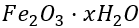
Requires: Air + Moisture
———————————————————————————————————–
Q6. Why does a piece of aluminium not corrode easily even though it is a reactive metal?
Approach:
→ Recall the role of protective oxide layer.
Answer:
Aluminium forms a thin, stable layer of aluminium oxide (Al₂O₃) on its surface when exposed to air.
This layer is impermeable and prevents further corrosion, acting as a protective barrier.
———————————————————————————————————–
Q7. A solution of substance ‘X’ is blue in colour. When iron is dipped into it, the solution becomes light green and a reddish-brown deposit forms. Identify ‘X’ and explain the change with equation.
Approach:
→ Use reactivity series to identify the reaction.
Answer:
‘X’ is copper sulphate.
Iron, being more reactive, displaces copper from its solution.

Observation: Blue CuSO₄ turns light green (FeSO₄) and brown copper deposits.
———————————————————————————————————–
Q8. How can rancidity of food be delayed? Explain chemically.
Approach:
→ Link oxidation of fats and methods to prevent it.
Answer:
Rancidity is caused by oxidation of oils/fats, producing foul smell.
Prevention methods:
- Use of antioxidants (BHA, BHT)
- Airtight containers to prevent contact with oxygen
- Nitrogen flushing in packets
- Low temperature storage (refrigeration)
———————————————————————————————————–
Q9. What is the significance of writing symbols (g), (l), (s), (aq) in chemical equations? Give an example explaining their use.
Approach:
→ Mention that these indicate physical states of reactants/products.
Answer:
They show physical states:
- (s) – solid
- (l) – liquid
- (g) – gas
- (aq) – aqueous solution
Example:

———————————————————————————————————–
Q10. What changes are seen when water is added to quicklime? Write the balanced chemical equation and type of reaction.
Approach:
→ Think about slaked lime formation and heat change.
Answer:
Quicklime reacts vigorously with water producing slaked lime and releasing heat.

Observation: Hissing sound and heat evolution.
Type: Exothermic combination reaction.
x————————x———————-x———————–x—————————-x
5 MARKS QUESTIONS
Q1. Explain the importance of balancing chemical equations. Balance the following equation and list the steps:

Approach:
→ Write stepwise balancing and relate it to conservation of mass.
Answer:
Balancing maintains the Law of Conservation of Mass — number of atoms of each element must be equal on both sides.
Steps:
- List atoms on both sides: Fe, H, O.
- Balance Fe first → 3Fe on left.
- Balance O by writing 4H₂O.
- Finally, balance H → 4H₂ on right.
Balanced Equation:

Importance:
Ensures the reaction follows the conservation law and represents real stoichiometry accurately.
———————————————————————————————————–
Q2. Discuss the different types of chemical reactions occurring in everyday life with suitable examples.
Approach:
→ Include examples from daily context (burning, digestion, rusting, respiration).
Answer:
- Combination Reaction:
Lime + water → slaked lime (used in whitewashing)

- Decomposition Reaction:
Photographic process uses decomposition of AgCl. - Displacement Reaction:
Iron nail in CuSO₄ solution forms FeSO₄ and Cu. - Double Displacement:
Formation of soap scum –
- Redox Reaction:
Respiration – glucose oxidised to CO₂, oxygen reduced to H₂O.
Relevance:
These reactions form the basis of biological, industrial, and environmental processes.
———————————————————————————————————–
Q3. What is a redox reaction? Explain with the help of an example and identify the oxidising and reducing agents.
Approach:
→ Write one example, identify oxidation/reduction halves and agents.
Answer:
A redox reaction involves simultaneous oxidation and reduction.
Example:

- Oxidation: Zn → ZnO (loss of electrons / gain of oxygen)
- Reduction: CuO → Cu (loss of oxygen)
Agents: - Zn is reducing agent (it causes reduction of CuO).
- CuO is oxidising agent (it causes oxidation of Zn).
———————————————————————————————————–
Q4. Explain the factors affecting the rate of corrosion of iron and methods to prevent it.
Approach:
→ Describe environmental and material factors + prevention methods.
Answer:
Factors:
- Moisture: Rusting increases with humidity.
- Presence of salts: Accelerates rusting (especially in coastal air).
- Temperature: Higher temperature increases corrosion rate.
- Air pollutants: Acidic gases speed up corrosion.
Prevention:
- Painting or greasing to block moisture and air.
- Galvanisation: Coating with zinc.
- Alloying: Making stainless steel.
- Electroplating: Coating with less reactive metal.
———————————————————————————————————–
Q5. (Application-based) Explain with the help of an activity how you will show that a chemical reaction involves change in colour, temperature, and gas evolution.
Approach:
→ Choose one NCERT lab activity that demonstrates all three.
Answer:
Activity: Reaction between zinc and dilute sulphuric acid.
Procedure:
- Take Zn granules in a test tube.
- Add dilute

- Observe changes.
Observations:
- Gas evolution: Bubbles of H2 observed.
- Temperature change: Tube becomes warm (exothermic).
- Colour change: Zn surface becomes dull grey.
Equation:

Hence, this single experiment proves multiple characteristics of a chemical reaction.
x————————x———————-x———————–x—————————-x