2 Marks Questions
Q1. What happens when an acid reacts with a metal carbonate? Write a balanced chemical equation.
Approach: Recall gas evolved when acid reacts with carbonate.
Answer:
Acid + Metal Carbonate → Salt + Water + Carbon dioxide
Example: 
——————————————————————————————————-
Q2. Define pH. What is the pH of pure water at 25°C?
Approach: Recall definition and neutral pH value.
Answer:
pH = negative logarithm of hydrogen ion concentration,
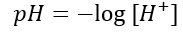
For pure water, 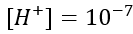 , hence pH = 7 (neutral).
——————————————————————————————————-
Q3. Why does dry HCl gas not change the colour of dry litmus paper, whereas aqueous HCl does?
Approach: Think about the presence of H⁺ ions.
Answer:
Dry HCl gas does not contain H⁺ ions; hence no colour change.
In aqueous solution, HCl dissociates into H⁺ and Cl⁻, changing litmus colour (blue → red).
——————————————————————————————————-
Q4. Why does acid produce a burning sensation on skin while base feels soapy?
Approach: Recall reaction of acid/base with tissue/oil.
Answer:
Acids react with skin (protein) causing irritation and burning.
Bases react with skin oils forming soap-like slippery compounds, giving soapy touch.
——————————————————————————————————-
Q5. Give reasons:
(a) Toothpaste is basic.
(b) Factory waste is neutralized before releasing into rivers.
Approach: Consider effect of acids and bases.
Answer:
(a) Neutralizes acids formed by bacteria in mouth.
(b) Prevents harm to aquatic life by neutralizing acidic/alkaline effluents.
——————————————————————————————————-
Q6. Write the chemical name and formula of:
(a) Baking soda
(b) Washing soda
Approach: Recall common names of important salts.
Answer:
(a) Baking soda: Sodium hydrogen carbonate, NaHCO₃
(b) Washing soda: Sodium carbonate decahydrate, Na₂CO₃·10H₂O
——————————————————————————————————-
Q7. Write the balanced equation for neutralisation of NaOH with H₂SO₄.
Approach: Neutralisation = Acid + Base → Salt + Water.
Answer:

——————————————————————————————————-
Q8. Why is it dangerous to touch strong acid or base with bare hands?
Approach: Think about corrosive nature.
Answer: Strong acids and bases are corrosive — they cause burns and damage tissue due to chemical reactions with skin.
——————————————————————————————————-
Q9. What happens when CO₂ gas is passed through lime water?
Approach: Recall lab test for CO₂.
Answer:
Initially, lime water turns milky due to formation of CaCO₃.
On passing excess CO₂, it turns clear due to Ca(HCO₃)₂ formation.
——————————————————————————————————-
Q10. Give an example each of a strong acid, weak acid, strong base and weak base.
Approach: Recall classification based on ionisation.
Answer:
Strong acid: HCl
Weak acid: CH₃COOH
Strong base: NaOH
Weak base: NH₄OH
x————————x———————-x———————x—————————-x
3 Marks Questions
Q1. Explain why an aqueous solution of acid conducts electricity but that of glucose does not.
Approach: Think about ionisation and mobility of ions.
Answer:
- Acids ionize in water to give free H⁺ ions → carry current.
- Glucose does not ionize in water → no ions → does not conduct.
Thus, conduction depends on presence of ions, not molecules.
——————————————————————————————————-
Q2. Explain the chemical reaction that takes place when an acid reacts with a metal.
Approach: Recall gas evolved & test for it.
Answer:
Acid + Metal → Salt + Hydrogen gas
Example:

Hydrogen is confirmed by “pop sound” when tested with a burning matchstick.
——————————————————————————————————-
Q3. Explain the pH change observed when small amount of acid is added to water vs when water is added to acid.
Approach: Think about dilution and exothermic process.
Answer:
- Adding acid to water releases heat suddenly, dangerous.
- Water to acid → dilution occurs slowly and safely.
pH increases slightly as acid becomes weaker due to dilution.
——————————————————————————————————-
Q4. What is the action of litmus, methyl orange and phenolphthalein with acids and bases?
Approach: Recall indicator colour changes.
Answer:
| Indicator | In Acid | In Base |
| Litmus | Red | Blue |
| Methyl Orange | Red | Yellow |
| Phenolphthalein | Colourless | Pink |
——————————————————————————————————-
Q5. Explain the preparation and two uses of washing soda.
Approach: Recall process from sodium carbonate.
Answer:
Preparation:

Uses:
- Used in glass, soap and paper industries.
- Removes permanent hardness of water.
——————————————————————————————————-
Q6. Why does a base react with non–metal oxide to form salt and water? Give example.
Approach: Non-metal oxides are acidic → react with bases.
Answer:

Hence, CO₂ behaves as an acidic oxide.
——————————————————————————————————-
Q7. Why do strong acids and bases show high conductivity?
Approach: Relate to dissociation in water.
Answer: They ionize completely producing more free ions → higher conductivity. Weak acids/bases ionize partially → low conductivity.
——————————————————————————————————-
Q8. Write chemical reactions to show the reaction of acids with bases, metals, and carbonates.
Approach: Write 3 standard reactions.
Answer:
- Acid + Base → Salt + Water

- Acid + Metal → Salt + H₂

- Acid + Carbonate → Salt + Water + CO₂

——————————————————————————————————-
Q9. Explain why farmers add slaked lime to the soil.
Approach: Soil pH balance concept.
Answer:
Acidic soil reduces crop yield.
Slaked lime (Ca (OH)₂) neutralizes acidity → makes soil neutral for plant growth.
——————————————————————————————————-
Q10. Write the chemical equation for the preparation of bleaching powder and state its two uses.
Approach: Recall reaction with chlorine.
Answer:

Uses:
- Disinfecting drinking water.
- Used as bleaching agent in textile industry.
x————————x———————-x———————x—————————-x
5 Marks Questions
Q1. What are neutralisation reactions? Explain with three examples from daily life.
Approach: Recall examples involving acid–base reaction.
Answer:
When acid reacts with base → salt + water.
Examples:
- Antacid tablet (base) neutralises excess stomach acid.
- Toothpaste neutralises mouth acid.
- Lime (base) added to acidic soil for neutrality.
——————————————————————————————————-
Q2. Explain how salts are classified as neutral, acidic, or basic with examples and pH range.
Approach: Relate to acid-base combination.
Answer:
| Type | Example | Parent Acid & Base | pH Range |
| Neutral | NaCl | Strong acid + strong base | ≈7 |
| Acidic | NH₄Cl | Strong acid + weak base | <7 |
| Basic | Na₂CO₃ | Weak acid + strong base | >7 |
——————————————————————————————————-
Q3. Describe in detail the preparation, properties and uses of baking soda (NaHCO₃).
Approach: Recall lab preparation and applications.
Answer:
Preparation:

Properties:
- Mild base.
- Decomposes on heating:

Uses: - In baking (CO₂ causes fluffiness)
- As antacid
- Fire extinguisher (releases CO₂)
——————————————————————————————————-
Q4. Explain the role of pH in everyday life (any 5 examples).
Approach: Think about health, agriculture, environment.
Answer:
- Mouth: Tooth decay below pH 5.5
- Stomach: HCl digests food; excess → ulcers.
- Soil: pH affects crop growth.
- Blood: Maintained between 7.35–7.45.
- Aquatic life: Survives only within narrow pH range.
——————————————————————————————————-
Q5. Write equations and explain the chemical reactions involved in the preparation of washing soda from baking soda.
Approach: Stepwise Solvay process.
Answer:



→ Crystals of Washing Soda formed.
Used in detergent, water softening, and glass manufacture.
x————————x———————-x———————x—————————-x